Insights
PT Garuda Indonesia Tbk: Corporate Restructuring Under Financial Distress
22 June 2026 5 minutes read
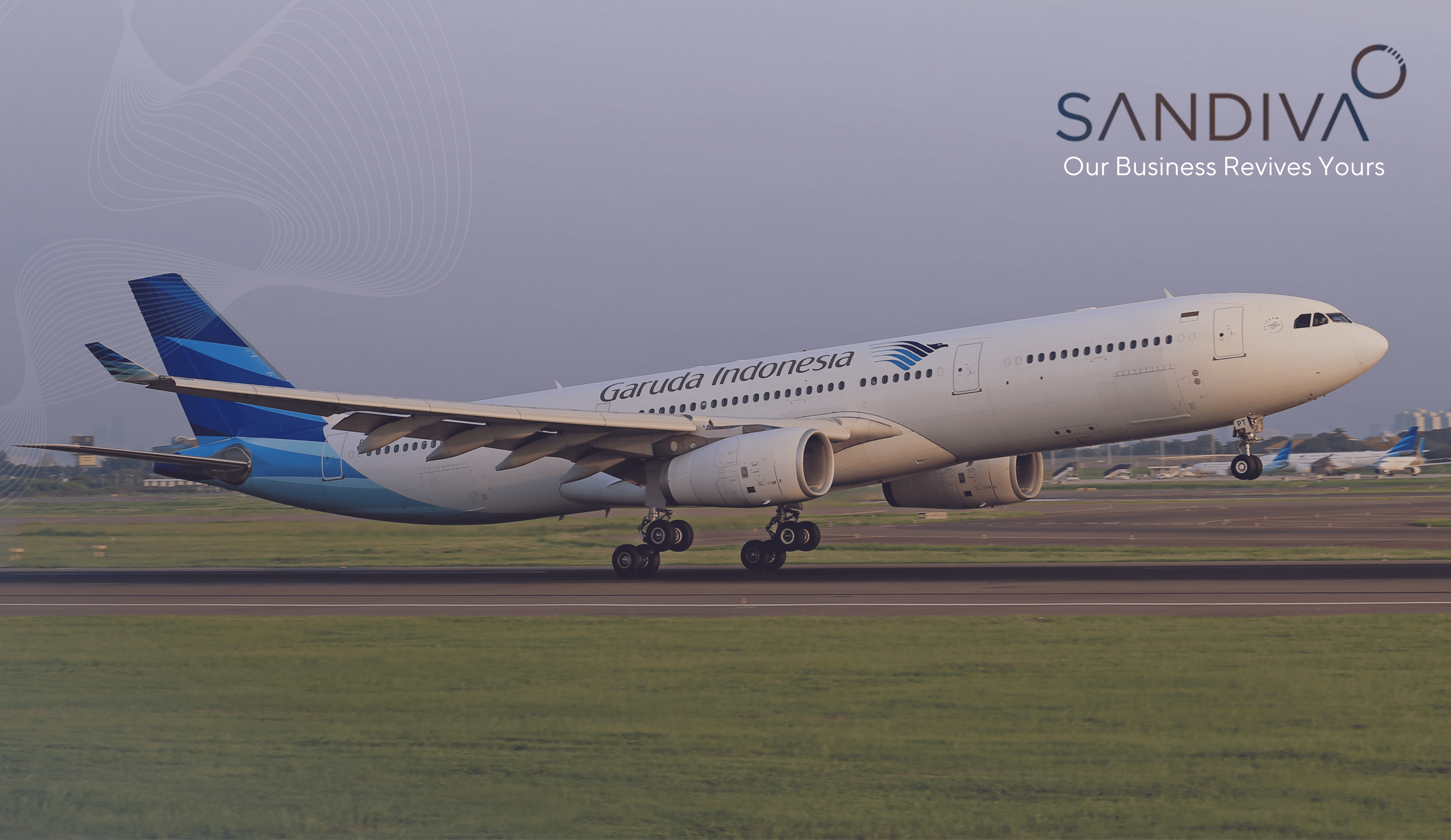
Case Overview
PT Garuda Indonesia Tbk, Indonesia’s national flag carrier, underwent a landmark corporate finance restructuring to preserve enterprise value after severe financial distress following the COVID-19 pandemic. The case highlights how legal mechanisms, stakeholder negotiation, financial engineering, and strategic capital support were deployed in one of Southeast Asia’s most complex airline restructurings.
Company Background
Garuda’s historic position as a full-service carrier was challenged by structural cost inefficiencies and an inflexible cost base prior to the pandemic. By late 2021, the company faced a liquidity crisis triggered by collapsing demand and mounting debt obligations.
The Financial Crisis: Liquidity Collapse and Debt Pressure
Global travel demand plunged during the pandemic, causing severe revenue declines and increasing operating losses for Garuda. Its inability to meet debt service obligations led to breaching payment schedules and threatened insolvency.
Entry Into PKPU: Legal Framework for Debt Restructuring
In December 2021, Garuda entered Penundaan Kewajiban Pembayaran Utang (PKPU), Indonesia’s statutory debt suspension process, after a creditor petition was filed in the Jakarta Commercial Court. PKPU temporarily halted enforcement actions and enabled structured composition planning under court supervision.
The composition plan was put to creditors and won overwhelming approval, with more than 95% voting in favor, satisfying thresholds required under Indonesian insolvency law. The Jakarta Commercial Court homologated the plan in June 2022, making it legally binding.
Restructuring Strategy: Debt Reduction and Balance Sheet Repair
a. Creditor Agreement and Liability Adjustment
The PKPU-approved composition plan substantially reorganized Garuda’s financial obligations. According to restructuring disclosures, total liabilities were reduced by roughly half, an outcome achieved through negotiated haircuts, conversion mechanisms, and the issuance of new instruments under agreed terms.
b. Debt Conversion and New Instruments
Under the restructuring:
- A portion of claims was converted into equity or equity-linked securities.
- New bonds and sukuk instruments with extended maturities were issued to replace portions of old debt.
- Lease renegotiations and long-term repayment schemes were agreed with various lessors and creditors.
These conversions reduced near-term cash obligations, aligning repayment with projected cash flows and easing liquidity constraints.
c. Accounting and Financial Statement Impacts
The refinancing and debt conversion resulted in non-cash financial gains recognized in Garuda’s financial statements, contributing to reported profitability metrics post-restructuring.
Capital Support and Strategic Funding
Debt restructuring alone was insufficient to support ongoing operations. As part of the broader transformation strategy, Garuda received substantial shareholder funding from state-linked investors.
In June 2025, Danantara Indonesia, through its subsidiary PT Danantara Asset Management (Persero), provided a IDR 6.65 trillion (equal to US$405 million) shareholder loan intended to support aircraft maintenance, repair, and operational readiness.
Danantara characterized this funding as part of a comprehensive transformation mandate that includes business optimization, long-term financing, and governance improvements under a disciplined framework.
The initial phase focuses on ensuring operational stability, with plans for subsequent optimization and governance-driven performance enhancement.
Post-Restructuring Financial Performance
As travel demand gradually returned, Garuda began to show early signs of financial stabilization. Short-term liabilities declined, and operating cash flow improved, reducing reliance on restructuring-related adjustments.
While accounting gains from restructuring carried positive reporting effects, sustainable profitability remained contingent on operational execution and continued governance reform.
Key Corporate Finance Lessons
a. Legal Mechanisms Facilitate Value Preservation
The PKPU process provided a structured legal environment to negotiate creditor concessions and avoid bankruptcy.
b. Debt Conversion Reduces Cash Strain
Converting outstanding obligations into longer-term instruments or equity eased near-term liquidity pressures.
c. Strategic Capital Support Matters
Targeted injections of shareholder loans bolstered liquidity, enabling maintenance and readiness activities critical to operational continuity.
d. Operational Recovery Supports Financial Recovery
Stabilization of core airline operations, such as fleet utilization and network planning, is essential to translating financial restructuring into long-term profitability.
Conclusion
PT Garuda Indonesia’s restructuring marks a significant case in emergent market turnaround frameworks. By leveraging PKPU proceedings, securing creditor consensus, and integrating strategic capital support, Garuda preserved its operations and secured a path toward financial sustainability.
This case highlights the importance of combining legal restructuring tools, creditor negotiation, and strategic financing to rescue distressed corporates in capital-intensive industries.